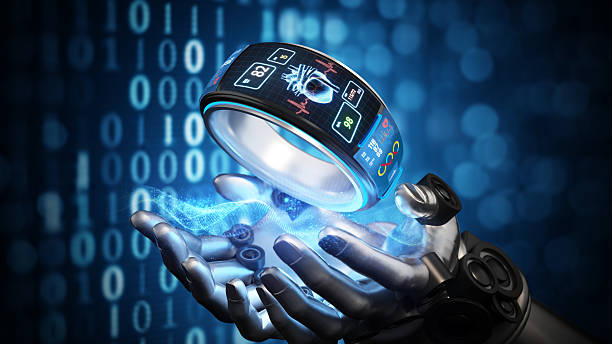

Technology is no longer something that just sits on your desk or stays in your pocket. It’s now something you actually wear. From smartwatches to fitness bands, wearable tech has quietly become part of our daily routine. And honestly, it’s only getting bigger.
Just a few years ago, watches were mainly for checking time. Now, a device on your wrist can track your heart rate, measure your sleep, answer calls, send messages, and even help in emergencies. It feels like science fiction, but it’s already normal life.
What Is Wearable Technology?
Wearable technology refers to electronic devices that you can wear on your body. These gadgets are designed to collect data, provide information, and connect you to the digital world without needing to hold a phone or sit at a computer.
The most common example is the smartwatch. Brands like Apple with its Apple Watch and Samsung with its Galaxy Watch have completely changed how we think about wristwatches. Even fitness-focused companies like Fitbit made health tracking popular long before smartwatches became mainstream.
But wearable tech is not limited to watches. It also includes fitness bands, smart glasses, smart rings, and even smart clothing.
Health Tracking: A Personal Doctor on Your Wrist
One of the biggest reasons wearable tech became so popular is health tracking. Today’s devices can monitor heart rate, oxygen levels, sleep cycles, stress levels, and physical activity. Some watches can even detect irregular heart rhythms and warn users about possible medical issues.
This is especially important in a country like India, where lifestyle diseases are increasing. Many people don’t regularly visit doctors, but they do check their watches every day. A small vibration on your wrist reminding you to move or breathe deeply can actually improve daily habits.
Smartwatches can also count steps, track calories burned, and record workouts like running, cycling, or swimming. For fitness lovers, it feels like having a personal trainer all the time.
In emergencies, some devices can detect falls and automatically call for help. That’s not just smart — it’s life-saving technology.
Seamless Connectivity
Wearable devices are designed to make life easier. Instead of constantly taking out your phone, you can quickly glance at your wrist to see notifications, messages, or incoming calls.
For busy professionals, this is extremely useful. You can check important alerts during meetings without appearing distracted. You can control music, set reminders, or even make payments using contactless features.
Companies are working hard to make wearable devices more independent. Earlier, smartwatches depended completely on smartphones. Now, many models have built-in SIM or LTE support, meaning they can work without a phone nearby.
The future might bring even more independence — devices that function almost like mini smartphones on your wrist.
The Role of Artificial Intelligence
Artificial Intelligence (AI) is quietly powering most wearable devices. The data collected by your smartwatch is analyzed using AI algorithms. This allows the device to give personalized insights.
For example, your watch may suggest better sleep routines based on your sleeping patterns. It may detect unusual heart rate patterns and notify you to seek medical advice.
As AI becomes more advanced, wearable tech will become smarter too. Instead of just tracking data, devices will predict problems before they happen. Imagine your watch warning you about stress overload before you even realize it yourself.
That’s where things get really interesting.
Beyond Watches: The Expansion of Wearables
While smartwatches dominate the market, other forms of wearable tech are emerging rapidly.
Smart glasses, for example, aim to blend digital information with the real world. Companies like Meta Platforms have been investing heavily in augmented reality glasses. These glasses may allow users to see directions, notifications, or even virtual screens in front of their eyes.
Smart rings are another rising trend. They are smaller, more stylish, and often focused on health tracking. Some people prefer them because they are less bulky than watches.
Even clothing brands are experimenting with smart fabrics that can measure body temperature or muscle activity. Athletes may soon wear shirts that track performance in real time.
Privacy and Security Concerns
With all this data collection, privacy becomes a major issue. Wearable devices collect highly personal information — health data, location, activity patterns, and more.
If this data falls into the wrong hands, it could create serious problems. That’s why companies must invest heavily in security and encryption.
Users also need to be aware. Reading privacy policies might sound boring, but it’s important. Technology is powerful, but it must be handled responsibly.
Battery Life and Design Improvements
Early wearable devices struggled with battery life. Charging your watch every day felt inconvenient. But now, companies are improving battery efficiency and fast-charging technology.
Design has also improved a lot. Modern smartwatches look stylish and customizable. You can change straps, watch faces, and even themes to match your outfit.
This mix of fashion and function is one reason wearable tech is growing so fast. It’s not just about technology — it’s about lifestyle.
The Future of Wearable Tech
The future of wearable technology looks extremely promising. We may soon see devices that monitor blood sugar levels without needles. Researchers are working on advanced health sensors that can detect diseases early.
Wearables may also play a key role in virtual reality (VR) and augmented reality (AR). As companies develop immersive digital experiences, wearable devices will act as controllers and sensory tools.
In the long term, wearable tech might even merge with biotechnology. Implantable devices could become common for medical purposes. While that idea sounds futuristic, technology is moving very fast.
Conclusion
Wearable technology has already transformed the way we live, work, and stay healthy. What started as simple fitness bands has become a powerful ecosystem of smart devices.
From health tracking and communication to AI-powered insights, wearable tech is shaping the future — and it’s sitting right on our wrists.
As innovation continues, one thing is clear: wearable technology is not just a trend. It’s a glimpse into a smarter, more connected future. And honestly, this is just the beginning.