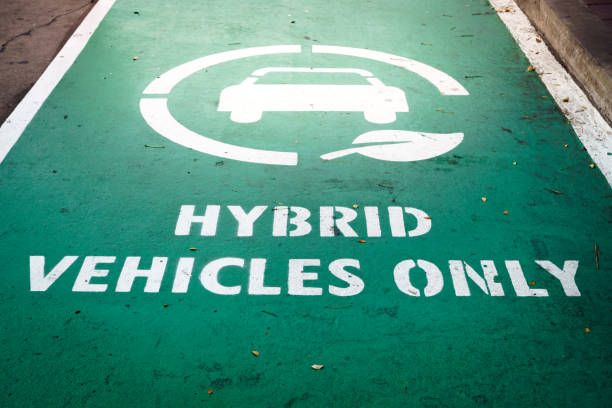

If you start noticing the cars around you in traffic, especially in big cities, you’ll realize something interesting. Many of them don’t make much noise. They move almost silently at low speeds, and you can’t always tell whether the engine is even on. Chances are, a good number of those vehicles are hybrid cars.
Hybrid cars are not exactly new. Models like the Toyota Prius have been around for more than two decades. But in the last few years, hybrids have quietly moved from being “eco-friendly experiments” to becoming a very practical and popular choice for everyday drivers. They’re not flashy like fully electric cars, and they don’t always grab headlines. Still, they are slowly taking over the roads.
What Exactly Is a Hybrid Car?
In simple words, a hybrid car uses two power sources — usually a petrol engine and an electric motor. The car switches between them or uses both together depending on the driving situation.
At low speeds or in traffic, it often runs on electric power. On highways, the petrol engine takes over or works alongside the motor. The battery charges automatically while driving, mainly through regenerative braking. That means when you slow down or brake, some of the energy that would normally be wasted is stored back into the battery.
You don’t need to plug in most regular hybrids. They charge themselves. This makes them different from fully electric vehicles and even plug-in hybrids.
Rising Fuel Prices Are a Big Reason
Let’s be honest — fuel prices are not going down anytime soon. In countries like India and many others, petrol and diesel prices keep increasing year after year. For a middle-class family, fuel costs can become a serious monthly expense.
Hybrid cars use less fuel compared to traditional petrol or diesel vehicles. Since the electric motor supports the engine, especially in city driving, the fuel consumption drops significantly. Over time, this can save a lot of money.
I once did a rough comparison for a friend who drives about 40 km daily. The fuel savings from switching to a hybrid were enough to cover a big part of the EMI difference. It’s not magic, but the math makes sense in the long run.
They Feel Like Normal Cars
One reason hybrids are growing fast is because they don’t feel “different” in a scary way. Fully electric cars sometimes make people nervous. Questions like — Where will I charge it? What if the battery runs out? Is there a charging station nearby?
With hybrids, you don’t have to think that much. You just fill petrol and drive. No major lifestyle change is required.
Cars like the Toyota Camry Hybrid or even hybrid SUVs offer the same comfort, power, and driving experience as regular cars. In fact, many drivers say hybrids feel smoother because the electric motor provides instant torque at low speeds.
Governments Are Pushing for Cleaner Vehicles
Around the world, governments are trying to reduce pollution and carbon emissions. Transport is one of the biggest contributors to air pollution. So naturally, cleaner vehicle options are getting more support.
In some countries, buyers of hybrid vehicles receive tax benefits or lower registration costs. Car manufacturers are also investing heavily in hybrid technology as a stepping stone toward full electrification.
Companies like Toyota and Honda have been leading this space for years. They understood early that not everyone would switch to full electric immediately. Hybrids are like a practical middle path.
Better Technology, Better Batteries
Earlier, many people were worried about hybrid battery life. Questions like — What if the battery fails? Is it expensive to replace?
Today, hybrid battery technology has improved a lot. Most manufacturers offer long warranties on the battery pack, sometimes up to 8 years or more. Real-world data shows that these batteries are quite reliable if the car is properly maintained.
Also, hybrid systems are smarter now. The transition between petrol and electric power is smoother than before. In older models, you could sometimes feel the switch. Now, it’s barely noticeable.
Urban Traffic Makes Hybrids More Useful
Let’s talk about real-world driving. In cities, we spend a lot of time in traffic. Stop. Move. Stop again. It’s frustrating.
But this kind of driving is actually perfect for hybrid cars. Since they use the electric motor at low speeds and during stop-and-go traffic, fuel consumption drops sharply in city conditions. That’s why many taxi fleets and ride-sharing drivers prefer hybrids.
In heavy traffic, when a petrol engine would just be idling and burning fuel, a hybrid often switches off the engine and runs quietly on battery. Over months and years, this difference adds up.
Environmental Awareness Is Growing
People today are more aware of climate change and pollution. Even if someone cannot afford a fully electric car, choosing a hybrid feels like a responsible step.
It’s not zero-emission, but it’s definitely cleaner than a conventional petrol-only vehicle. For many buyers, this balance between practicality and environmental responsibility is important.
Sometimes, it’s not about being perfect. It’s about being better than before.
The Market Is Expanding
Hybrid technology is no longer limited to just one or two models. Today, you can find hybrid sedans, SUVs, and even luxury cars. Brands across different price ranges are entering this segment.
Even premium companies like BMW and Mercedes-Benz offer hybrid variants in many of their models. When luxury brands adopt a technology, it usually means that the technology has matured.
More options mean more competition, and more competition usually means better pricing and features for customers.
Not Too Radical, Not Too Risky
Fully electric vehicles are the future, no doubt. But for many people, especially in developing countries, the charging infrastructure is still limited.
Hybrids don’t depend on public charging networks. They give you better mileage, lower emissions, and a smoother drive without making you change your routine.
It’s like upgrading your phone to a smarter version without completely changing the operating system. You still recognize everything, but it works more efficiently.
The Quiet Shift
What makes hybrids interesting is that their growth is not loud or dramatic. You don’t always see viral advertisements or huge hype. But year after year, sales numbers keep increasing.
They fit perfectly into today’s situation — rising fuel prices, growing environmental concerns, improving technology, and practical customer needs.
In my opinion, hybrids represent a smart transition phase. They are not extreme. They are not complicated. They just make sense for many families who want something economical and slightly future-ready.
That’s probably why they are quietly taking over the roads. Not with noise, but with logic.