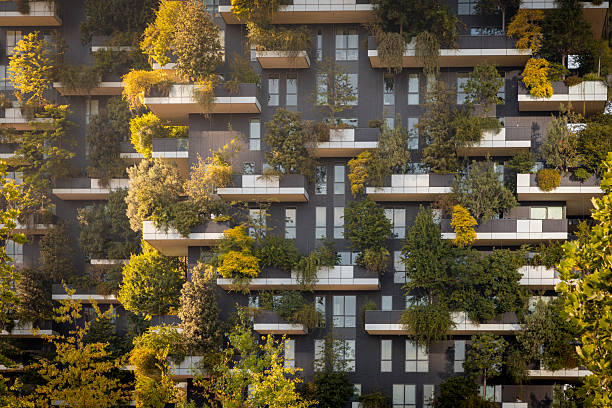

In the last few years, eco-friendly home designs have shifted from being a “luxury concept” to almost a necessity. Earlier, sustainable homes were seen as something only environmental activists or wealthy homeowners cared about. But now, regular families, young buyers, and even real estate developers are giving serious attention to green housing. Rising electricity costs, climate change concerns, and better awareness have all played a role in this shift.
People are slowly understanding that a home is not just a place to live — it’s also something that consumes energy, water, and materials every single day. And if designed thoughtfully, it can actually reduce harm to the environment instead of adding to it.
Why Eco-Friendly Homes Are Gaining Popularity
One major reason behind the rise of eco-friendly designs is increasing environmental awareness. News about global warming, pollution, and extreme weather events has made people more conscious of their lifestyle choices. Many homeowners now want to reduce their carbon footprint, and their house is a good place to start.
Another strong reason is cost savings. Initially, some green features might feel expensive, but over time they reduce electricity bills and maintenance costs. Solar panels, LED lighting, proper insulation, and energy-efficient appliances may require investment upfront, but they pay off in the long run. In fact, many homeowners say their monthly expenses drop significantly after switching to energy-saving systems.
Government policies and incentives are also encouraging sustainable construction. In many regions, tax benefits or subsidies are offered for installing renewable energy systems or rainwater harvesting units. These policies have made eco-friendly homes more attractive and financially practical.
Smart Use of Natural Resources
One key feature of eco-friendly home design is using natural resources wisely. This starts with orientation and layout. A well-designed house uses natural sunlight for most of the day, reducing the need for artificial lighting. Large windows, skylights, and open floor plans help maximize daylight.
Ventilation is another important factor. Cross-ventilation allows air to flow naturally, keeping the home cool without overusing air conditioners. In hot climates especially, this can make a big difference in electricity consumption.
Water conservation is also central to sustainable living. Rainwater harvesting systems collect and store rainwater for household use. Low-flow taps and showerheads reduce water waste. Some homes even recycle greywater from sinks for gardening purposes. These small changes collectively save thousands of liters of water each year.
Sustainable Building Materials
Eco-friendly homes focus not just on energy but also on the materials used in construction. Traditional building materials often require heavy industrial processing, which increases pollution. In contrast, sustainable homes use materials that are recycled, renewable, or locally sourced.
For example, bamboo is becoming popular because it grows quickly and is strong enough for flooring and furniture. Recycled wood reduces the need to cut new trees. Fly ash bricks, recycled steel, and eco-friendly concrete alternatives are also being used in modern construction.
Using local materials also reduces transportation emissions. When materials don’t need to travel long distances, fuel usage and carbon output decrease. This simple shift can significantly lower the environmental impact of construction projects.
Energy Efficiency and Renewable Power
Perhaps the most recognizable feature of eco-friendly homes is renewable energy use. Solar panels are becoming more common on rooftops, generating electricity directly from sunlight. With improvements in technology, solar systems have become more efficient and affordable.
Energy-efficient appliances also play a big role. Refrigerators, washing machines, and air conditioners with high energy ratings consume less power. LED lights use much less electricity compared to traditional bulbs and last longer as well.
Insulation is another underrated but crucial element. Proper wall and roof insulation keeps homes warm in winter and cool in summer. This reduces dependence on heating and cooling systems. Double-glazed windows help prevent heat loss, making the home more energy-efficient overall.
When all these features work together, the home consumes significantly less power compared to traditional houses.
Indoor Air Quality and Health Benefits
Eco-friendly home designs don’t just benefit the environment — they also improve personal health. Traditional homes sometimes use paints, adhesives, and materials that release harmful chemicals into the air. Sustainable homes prefer low-VOC (volatile organic compound) paints and natural finishes, which improve indoor air quality.
Better ventilation systems reduce humidity and prevent mold growth. Natural lighting also has a positive impact on mood and mental well-being. Studies show that exposure to sunlight indoors improves productivity and reduces stress.
Green spaces within homes, such as indoor plants or rooftop gardens, add another layer of health benefits. Plants purify the air and create a calming atmosphere. In urban areas especially, having greenery inside the house feels refreshing and peaceful.
The Role of Technology in Sustainable Homes
Modern eco-friendly homes often combine sustainability with smart technology. Smart thermostats automatically adjust temperature based on usage patterns. Motion-sensor lights turn off when rooms are empty. Water monitoring systems detect leaks early, preventing waste.
Home automation systems allow homeowners to control appliances remotely, ensuring nothing is left running unnecessarily. These technologies make sustainable living easier and more convenient.
The integration of green design and smart systems shows that sustainability is not about sacrificing comfort. In fact, eco-friendly homes are often more comfortable and advanced than traditional ones.
Challenges and Future Outlook
Despite the many advantages, eco-friendly home designs still face some challenges. Initial construction costs can be higher, which discourages some buyers. Lack of awareness or skilled professionals in certain regions also slows down adoption.
However, as demand increases and technology becomes more affordable, these challenges are gradually reducing. Builders are learning new techniques, and buyers are becoming more informed. Sustainable housing is no longer a niche market — it’s steadily becoming mainstream.
Looking ahead, eco-friendly homes are likely to become the standard rather than the exception. Climate change pressures and rising resource costs will push societies toward greener living solutions. Future homes may produce more energy than they consume, store rainwater efficiently, and use entirely recyclable materials.
Conclusion
The rise of eco-friendly home designs reflects a larger shift in how people think about living spaces. A home is no longer just about style or size; it’s also about responsibility. Sustainable homes reduce environmental impact, lower long-term costs, and create healthier living conditions.
As awareness continues to grow, eco-friendly design will shape the future of real estate and architecture. Choosing green living is not just a trend — it is becoming a practical and necessary step toward a more sustainable world.