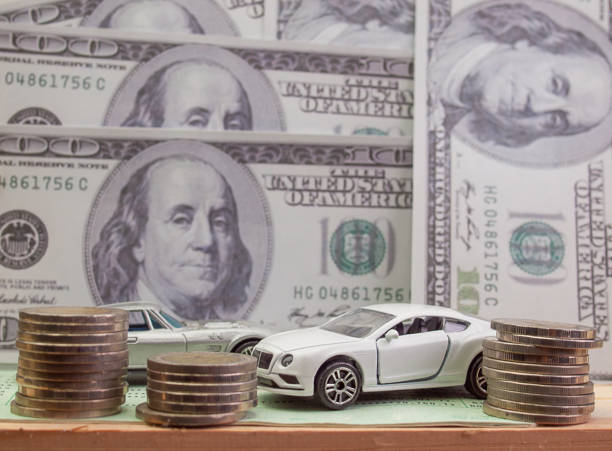

Owning a luxury vehicle feels like a dream come true. The smooth drive, premium interiors, powerful engines, and the attention you get on the road — it all feels worth it. Brands like Mercedes-Benz, BMW, Audi, Porsche, and Lamborghini are often seen as symbols of success and status.
But what many people don’t realize is that the actual cost of owning a luxury vehicle goes far beyond the price tag. The showroom price is just the beginning. There are several hidden expenses that slowly add up over time — and sometimes they can surprise even the most prepared buyers.
Higher Insurance Premiums
Luxury vehicles cost more to repair and replace. Because of this, insurance companies charge significantly higher premiums. Even a small scratch or minor accident can involve expensive parts and specialized labor.
For example, repairing a bumper on a standard car might cost a reasonable amount, but on a luxury vehicle with advanced sensors and cameras built into the bumper, the cost can be several times higher. Insurance providers calculate these risks, and the premium reflects that.
Expensive Maintenance and Repairs
Luxury cars are built with advanced engineering and high-end components. While this offers superior performance, it also means higher maintenance costs.
Routine services like oil changes, brake replacements, or tire changes are more expensive. Many luxury vehicles require synthetic oils, specialized parts, and trained technicians. You often cannot just go to a regular local mechanic; you may need to visit an authorized service center.
Parts are usually imported and can take time to arrive. This increases both cost and inconvenience. A simple repair that costs a few thousand rupees for a regular car might cost five times more for a luxury one.
Premium Fuel Requirements
Most luxury cars are designed for performance. This means they often require high-octane premium fuel. Premium fuel is more expensive than regular petrol or diesel, and over time, this difference adds up.
If you drive regularly, the monthly fuel expense can be noticeably higher compared to a standard vehicle. Even a small difference per liter can become significant when calculated annually.
Depreciation Hits Hard
Luxury vehicles often depreciate faster than many standard cars. The moment you drive a new luxury car out of the showroom, its value drops. Within a few years, the resale value can decrease dramatically.
While brands like Toyota are known for strong resale value, many luxury brands experience sharper depreciation. This means if you plan to sell your vehicle after a few years, you may recover much less than expected.
Depreciation is one of those hidden costs that people don’t think about at the time of purchase, but it can impact long-term financial planning.
Costly Tires and Components
Luxury vehicles often come with performance tires, larger alloy wheels, and advanced suspension systems. These parts are not cheap.
Performance tires wear out faster, especially if you enjoy spirited driving. Replacing a full set of tires can cost a significant amount. Advanced components like air suspension systems or adaptive headlights are expensive to fix if they malfunction.
Even small electronic issues can require costly diagnostics and repairs because modern luxury cars are packed with technology.
Registration, Taxes, and Fees
In many countries, including India, road taxes and registration charges are calculated based on the vehicle’s price. Since luxury cars have a higher ex-showroom price, the tax component automatically becomes higher.
Annual fees, registration renewals, and other government charges may also be more expensive compared to regular vehicles. These are often overlooked during the excitement of purchasing the car.
Parking and Security Costs
Owning a luxury vehicle may require better security arrangements. Some owners invest in secure parking spaces, CCTV systems, or even private garages to protect their cars.
If you live in an apartment, you might pay extra for a covered or reserved parking slot. In some cases, valet parking or premium parking spaces in commercial areas also cost more.
These may seem like small amounts individually, but over time, they become part of the overall ownership expense.
Financing and Interest
Many people finance luxury cars through loans. Because the loan amount is higher, the interest paid over time is also higher.
Even a small increase in interest rate can significantly increase total repayment when the principal amount is large. Buyers sometimes focus on the monthly EMI and forget to calculate the total interest paid across five or seven years.
In the end, the car might cost far more than its original listed price.
Extended Warranties and Service Packages
Luxury car owners often purchase extended warranties or service packages for peace of mind. These plans can be costly, but skipping them may result in higher repair expenses later.
While these packages offer convenience, they are still additional expenses beyond the purchase price.
Lifestyle Inflation
There’s also a psychological aspect. When someone buys a luxury vehicle, their lifestyle often adjusts to match it. You may prefer premium car detailing services, branded accessories, or exclusive memberships.
Owning a high-end car can subtly influence spending habits in other areas. This is not a direct cost of the car itself, but it is an indirect financial effect that many people experience.
The Emotional Cost
Luxury vehicles are beautiful machines, but they can also create stress. Owners may constantly worry about scratches, dents, or damage. Parking in crowded areas can feel risky.
Instead of complete freedom, sometimes there is anxiety attached to maintaining the vehicle’s perfect condition.
Final Thoughts
Owning a luxury vehicle is not necessarily a bad decision. For many people, it represents achievement and personal satisfaction. The comfort, performance, and brand value are real benefits.
However, it is important to understand that the true cost goes beyond the showroom price. Insurance, maintenance, fuel, depreciation, taxes, and lifestyle changes all contribute to the total expense.
Before purchasing a luxury car, it is wise to calculate not just the buying price, but the long-term ownership costs. When you look at the full picture, you can make a more informed and financially sound decision.
Luxury is enjoyable — but it always comes with a price that is sometimes hidden beneath the shine.