
The Part of the Plant Everyone Ignores
So I was talking to this guy last year — works at a mid-sized DRI plant in Odisha — and he was venting about how his rotary kiln kept throwing off inconsistent metallization rates. They’d changed the ore, tweaked the coal mix, adjusted temperatures… nothing really worked. Took them almost three months to figure out that the actual culprit was poor sponge iron kiln sealing. Three months. And honestly, from what I’ve seen and read in various metallurgy forums and even a few Reddit threads in manufacturing communities, this is way more common than people admit.
The sealing on a rotary kiln is kinda like the weather stripping on your car door. You don’t think about it, you never talk about it at dinner, and then one day it fails and suddenly your whole interior smells like rain and regret. That’s basically what happens in DRI production when seals are neglected — except the consequences are obviously more industrial and a lot more expensive.
What Even Is Kiln Sealing and Why Should You Care
Rotary kilns used in sponge iron production operate in this very specific atmospheric condition. The whole Midrex or coal-based DRI process depends heavily on controlling the gas environment inside the kiln — primarily keeping reducing gases in and outside air out. When that seal fails or wears down, you get air infiltration. And air infiltration means oxidation. Oxidation in a reducing atmosphere process is basically the enemy.
Here’s a stat not many people throw around — uncontrolled air ingress in a rotary kiln can drop metallization efficiency by anywhere between 3 to 8 percent depending on the severity. That doesn’t sound dramatic until you do the math on a 500 TPD plant running daily. The losses stack up fast.
Also, and this is something I didn’t fully appreciate until I dug into it more — it’s not just about production efficiency. Thermal losses through poor sealing can significantly affect fuel consumption. Some studies from kiln operations in India showed that improved sealing alone can reduce coal consumption by 4-6 kg per tonne of sponge iron. Again — doesn’t sound massive, but annualize that number and suddenly your maintenance budget is making a solid argument for itself.
The Underdog Problem in Metallurgical Plants
There’s a general vibe in the metallurgical industry — and I’ve noticed this from talking to people and reading through various industry LinkedIn posts and even some niche process engineering forums — where sealing systems are treated as a secondary concern. People spend lakhs on new burner systems, automation upgrades, better refractory lining… and then cheap out on seals. Which is, to put it politely, a bit backwards.
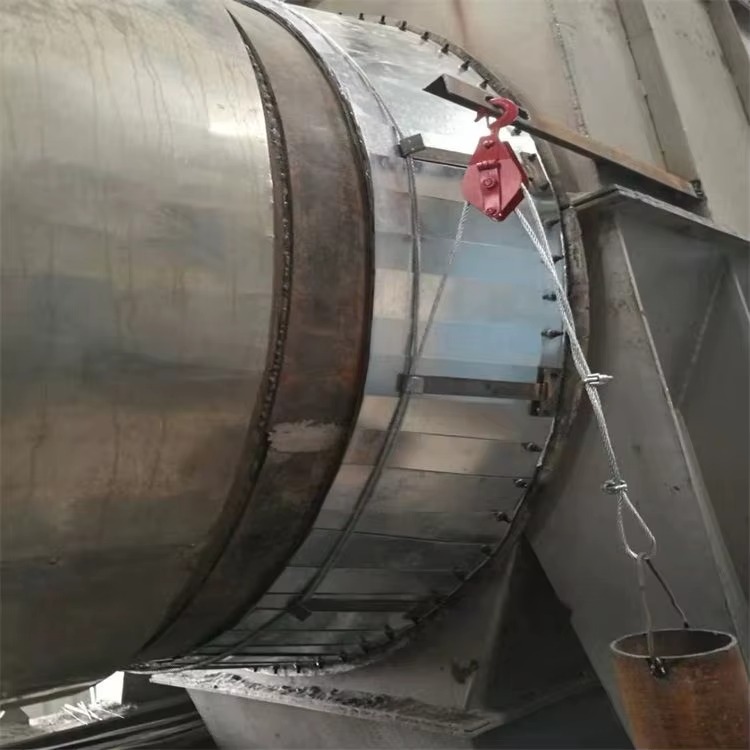
The mechanical design of a rotary kiln makes sealing actually quite tricky. The kiln rotates. The hood and the uptake sections are stationary. So you need a seal that can handle that rotational motion while still maintaining an effective gas barrier, tolerating thermal expansion, and dealing with the general chaos of dust, heat, and vibration. That’s not a small ask.
Traditionally a lot of plants used spring-loaded or rope packing type seals which honestly work okay when new but degrade pretty quickly under operational stress. The newer generation of sealing solutions — like the kind you’d find from specialized providers who focus specifically on sponge iron kiln sealing — use segmented designs with better wear resistance and more consistent contact pressure across the full circumference of the kiln. It’s a meaningful upgrade.
When Things Go Wrong and How You Know
One of the weird things about seal failure is it doesn’t always announce itself loudly. It’s not like a pump that seizes or a belt that snaps. It’s gradual. Temperatures drift slightly. Metallization dips a little. Coal consumption creeps up. By the time operators flag it as a problem, the seal has often been in degraded condition for weeks or months.
I think this is part of why sponge iron kiln sealing doesn’t get the respect it deserves in maintenance planning cycles. The failure mode is slow and quiet, not dramatic. And in most plants, the reactive guys get the attention — the guys who swooped in to fix the big emergency. The guys maintaining seal systems properly, preventing problems before they start — nobody writes a LinkedIn post about them.
Online, there’s a fair bit of chatter in metallurgical engineering communities about predictive maintenance and Industry 4.0 integration in DRI plants, but sealing almost never comes up in those conversations. It’s like the entire topic got filtered out of the cool technology discussions. Which is kind of ironic because better sealing can directly improve the data quality you’d get from any emissions or atmosphere monitoring system you install.
Temperature, Dust, and the Seal’s Daily Nightmare
The operating environment for a kiln seal is genuinely harsh. Temperatures at the kiln inlet and outlet zones can range from 250°C to above 900°C in some configurations. There’s constant abrasion from fine char and dust particles. The kiln shell itself can flex slightly under thermal load. Any seal that performs reliably in those conditions deserves more engineering attention than it typically gets.
Cast iron segmented seals with spring loading tend to outperform flexible rope packing in these conditions over the long run, mainly because they maintain consistent contact force even as wear occurs. That consistent contact is what keeps atmospheric control stable over time.
If you’re in the DRI or metallurgical processing space and seal maintenance isn’t part of your regular inspection checklist, it probably should be. Not because it’s glamorous — it’s very much not — but because it quietly affects almost every performance metric your plant cares about.